
Can a simple accessory redefine global commerce? The surge in demand for hand-woven bracelets, crafted under fair trade principles, is doing exactly that. With the global ethical jewelry market projected to reach $11 billion by 2027 (Statista, 2023), wholesale buyers are increasingly prioritizing products that combine craftsmanship with community impact.
The Growing Demand for Hand-Woven Bracelets
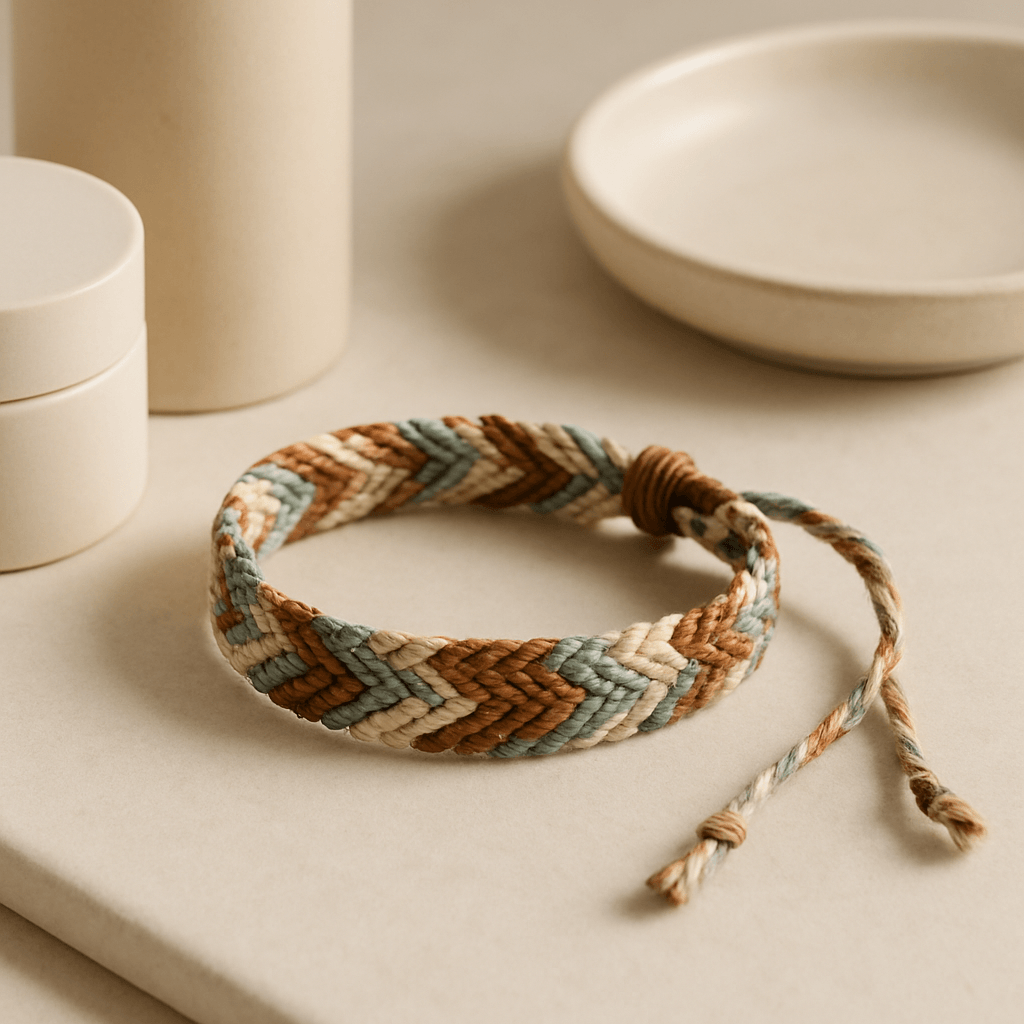
Hand-woven bracelets are more than just accessories—they’re stories woven with the threads of tradition and sustainability. Recent data from McKinsey reveals that 73% of consumers are willing to pay more for ethically sourced products. This shift is driving retailers to stock items that resonate emotionally and ethically with buyers.
From vibrant batik cuffs made in Indonesia to intricate beadwork sourced from Mexico, each bracelet reflects its region’s heritage. Grand View Research (2023) notes that products with strong regional identities experience 35% higher engagement online.
Expert Insights: Why Fair Trade Matters in Wholesale
“Fair trade isn’t just a business model; it’s a commitment to equity,” says Dr. Eliza Thompson, a sustainability researcher. “When wholesalers prioritize fair trade, they empower artisans while meeting the rising consumer demand for authenticity.”
Statistics support this trend: Euromonitor International reports a 29% annual growth in fair trade jewelry sales globally. For wholesalers, this is not only a market opportunity but also a way to align with consumer values.
Key benefits of fair trade for wholesale buyers:
- Access to unique product designs, such as wrap bracelets and cuffs.
- Strengthened brand reputation through ethical sourcing.
- Long-term supplier relationships built on trust and transparency.
Industry Standards and Best Practices for Ethical Jewelry
Ensuring compliance with industry standards is critical for fair trade wholesalers. Certifications such as Fair Trade Certified, ISO 22716, and GMP provide assurance of ethical production practices. Furthermore, the FDA oversees safety standards for imported jewelry components.
When sourcing hand-woven bracelets, wholesalers should verify:
- Artisan group certifications, such as WFTO (World Fair Trade Organization).
- Material sustainability—look for organic threads and recycled beads.
- Packaging compliance with eco-friendly standards.
By working with trusted suppliers like 7STAR, you can ensure products meet regulatory and ethical benchmarks.
How to Source Hand-Woven Bracelets Wholesale
Securing the right wholesale supplier is crucial for retailers aiming to offer the best hand-woven bracelets. Practical steps for sourcing include:
- Identify suppliers with proven fair trade credentials, such as 7STAR, which offers factory-direct pricing and low MOQs starting at 500 units.
- Evaluate product quality through samples, ensuring durability for retail sales.
- Negotiate terms that prioritize long-term partnerships over short-term gains.
Success metrics for wholesalers include increased repeat order rates, higher customer satisfaction scores, and improved profit margins.
Future Outlook: Strategic Recommendations for Wholesalers
The future of hand-woven bracelet wholesale lies in innovation and community building. Market projections by Nielsen estimate a 40% growth in demand for customizable bracelets by 2025. Retailers that offer personalized, ethically made products are poised to lead this market.
For wholesalers, investing in supplier relationships, diversifying product offerings, and leveraging digital tools to highlight fair trade stories will be key success drivers. Ready to take your wholesale business to the next level? Partnering with experienced manufacturers like 7STAR can give you the competitive edge.
Frequently Asked Questions
Which bracelet is trending right now?
Statement cuffs with bold batik patterns are currently leading the trend. A 2023 Euromonitor study found that 45% of buyers prefer vibrant, regionally inspired designs. Pair these bracelets with eco-friendly packaging to attract conscious consumers.
What is the two-finger rule for bracelets?
The two-finger rule refers to ensuring a comfortable fit—leave enough space between the bracelet and wrist to insert two fingers. This ensures the bracelet sits snugly without being overly tight, enhancing both comfort and style. For retailers, offering adjustable designs can cater to diverse customer needs.
Are wrap bracelets still in style?
Yes, wrap bracelets remain a timeless favorite. Their versatile design appeals across age groups and styles. Nielsen data shows a 25% increase in searches for wrap bracelets among Gen Z consumers in 2023. Offering ethically made options can further boost their appeal.
What does bracelet on left wrist mean?
In many cultures, wearing a bracelet on the left wrist symbolizes receiving energy or blessings. This positioning is linked to spiritual practices. Retailers can use cultural storytelling in branding to enhance product value.
Women fair trade wholesale bracelets handmade cuffs wrap
Handmade cuffs and wrap bracelets for women are a staple in fair trade collections. Ethically sourced materials, such as recycled metals and organic cotton threads, add to their appeal. Wholesale buyers can capitalize on this trend by stocking regionally inspired designs.
Men fair trade wholesale bracelets handmade cuffs wrap
Men’s fair trade bracelets have seen rising demand, especially leather and bead designs. A McKinsey survey noted a 32% increase in male buyers opting for ethical jewelry in 2023. Wholesalers can attract this demographic by highlighting durability and craftsmanship.