Did you know that the global handmade jewelry market is projected to reach $39 billion by 2025? (Statista, 2024). This remarkable growth highlights the increasing consumer demand for ethically produced, unique accessories like hand-woven bracelets. Whether you’re a boutique owner, e-commerce retailer, or distributor, sourcing wholesale bracelets offers a lucrative opportunity to align with the values of sustainability and fair trade.
Understanding the Market: Why Hand-Woven Bracelets Are Thriving
Hand-woven bracelets are more than just accessories—they’re symbols of craftsmanship, culture, and environmental responsibility. A recent industry report by Euromonitor shows that 62% of consumers prefer products with ethical and sustainable sourcing. Additionally, handcrafted cotton bracelets are gaining traction as they cater to eco-conscious buyers.
- Fair trade certification ensures artisans are paid fairly, benefiting communities globally.
- Hand-woven designs cater to growing demand for personalized and artisanal products.
- Wholesale options allow businesses to meet bulk demand while reducing costs.
With suppliers in regions like Thailand offering bulk pricing and fair trade options, businesses can enjoy both competitive pricing and the satisfaction of supporting ethical production.
Deep Dive into Fair Trade Practices and Expert Insights
Fair trade practices are revolutionizing the jewelry industry. According to McKinsey, fair trade certifications have seen a 35% increase in adoption across artisanal products in the past five years. This trend reflects a growing consumer preference for transparency and ethical sourcing.
“Fair trade ensures equitable wages for artisans, enabling sustainable livelihoods while preserving traditional craftsmanship,” says Dr. Ananya Ghosh, a sustainability expert. Businesses that invest in fair trade products like hand-woven cotton bracelets can also leverage this narrative in their branding.
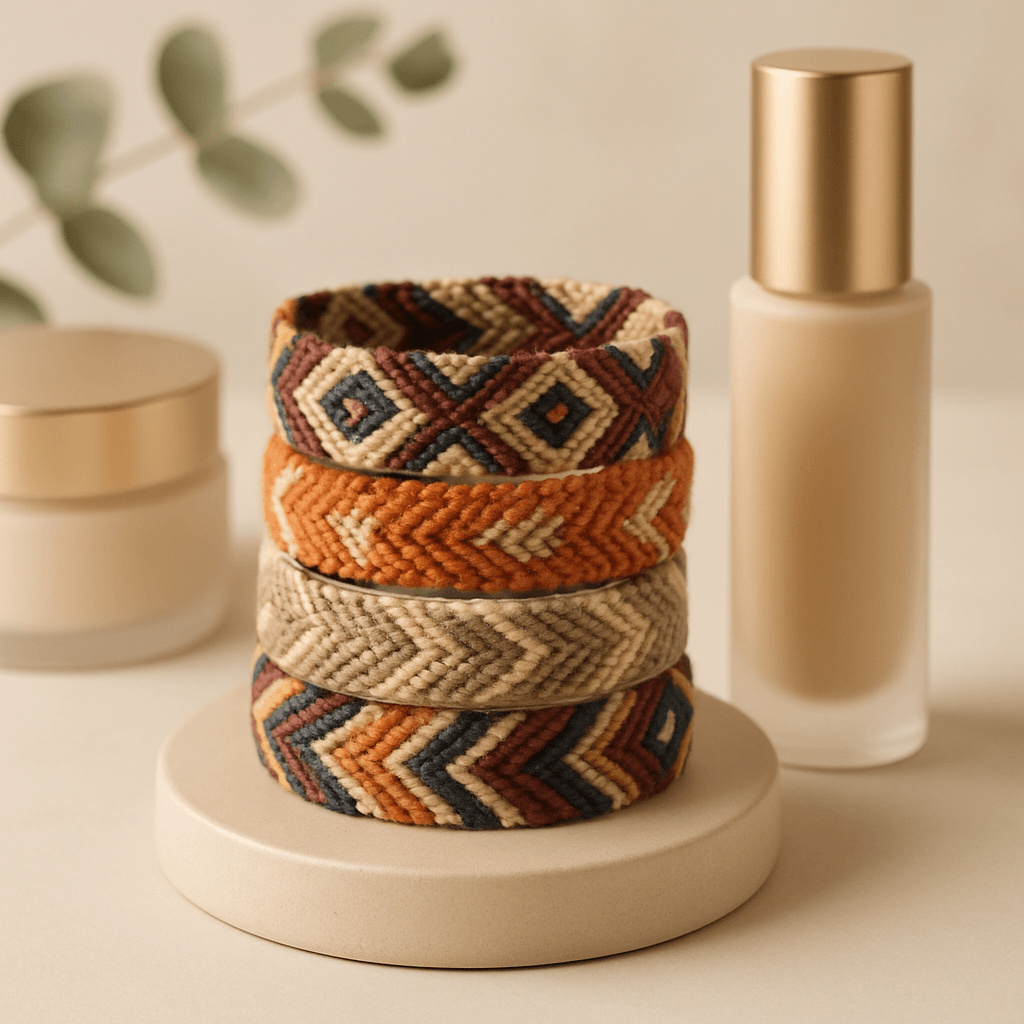
Additionally, hand-woven bracelets offer versatility in design, including embroidered patterns, beads, and charms, making them ideal for diverse consumer segments—from fashion-forward teens to eco-conscious adults.
Industry Standards: Ensuring Quality and Compliance
Quality assurance and compliance are paramount when sourcing wholesale hand-woven bracelets. Regulatory standards such as GMP and certifications like fair trade and ISO 22716 guarantee product quality and ethical production practices.
- GMP Certification: Ensures bracelets are manufactured under high-quality conditions.
- Fair Trade Certification: Verifies ethical practices and equitable wages for artisans.
- ISO Standards: Promotes global standards for sustainable and ethical manufacturing.
With suppliers like 7STAR offering factory-direct pricing and certifications, businesses can confidently source products that meet consumer expectations and regulatory requirements.
Implementation Guide to Boost Sales
Want to capitalize on the growing demand for hand-woven bracelets? Here are actionable steps to integrate these products into your business:
- Source from certified suppliers offering bulk pricing. For instance, 7STAR provides low MOQ starting at 500 units, backed by FDA and GMP certifications.
- Create compelling product descriptions emphasizing fair trade and sustainability.
- Offer customization options such as embroidered names or unique patterns to attract niche markets.
- Invest in eco-friendly packaging to appeal to environmentally conscious buyers.
Success metrics include increased sales volume, higher customer retention rates, and positive brand reputation.
Future Outlook and Strategic Recommendations
The handmade jewelry market is poised for exponential growth, with fair trade products leading the charge. By 2027, the demand for eco-friendly and artisanal accessories like hand-woven bracelets is projected to grow by 8.2% CAGR (Grand View Research, 2024).
Businesses should strategically partner with certified suppliers like 7STAR to ensure consistent quality and ethical sourcing. Offering innovative designs and leveraging storytelling around sustainability will be vital to capturing consumer interest.
Frequently Asked Questions
What is the two-finger rule for bracelets?
The two-finger rule for bracelets refers to a sizing guideline ensuring a comfortable fit. To test, wear the bracelet and insert two fingers between your wrist and the bracelet. If the fingers fit snugly but comfortably, the size is ideal. This rule is particularly useful for hand-woven bracelets, which often feature adjustable closures to accommodate various wrist sizes.
What are the bracelets made by human trafficking victims?
Bracelets made by human trafficking survivors are often part of ethical initiatives aimed at rehabilitation. Organizations collaborate with survivors to teach them artisanal skills, including hand-woven bracelet crafting, empowering them to earn a living and reintegrate into society. Purchasing these products often supports these programs, providing both economic and emotional recovery for the artisans.
Do handmade bracelets sell?
Handmade bracelets are highly popular in the market due to their unique designs and craftsmanship. According to Nielsen, 45% of consumers are willing to pay more for handmade products, appreciating their authenticity and ethical production. Businesses focusing on wholesale handmade bracelets can capitalize on this trend by offering diverse designs and fair trade options.
What is the HS code for cotton bracelet?
The Harmonized System (HS) code for cotton bracelets generally falls under 7117.90, which covers imitation jewelry made from non-metallic materials. This code is essential for import/export documentation and ensures compliance with international trade regulations for wholesale shipments.
What are the benefits of fair trade bracelets?
Fair trade bracelets ensure ethical sourcing, equitable wages for artisans, and sustainable production practices. They often feature unique designs and high-quality craftsmanship. For businesses, these products offer a competitive edge by appealing to eco-conscious and socially responsible consumers, driving customer loyalty and supporting global communities.
How can I find reliable wholesale bracelet suppliers?
To find reliable wholesale bracelet suppliers, prioritize those with certifications like GMP, FDA registration, and fair trade credentials. Websites like 7STAR offer factory-direct pricing, low MOQs, and 5000+ proven formulations, making them an excellent choice for sourcing high-quality hand-woven bracelets.