Did you know that the global market for handmade products is expected to reach $1 trillion by 2025 (Statista, 2023)? This growth reflects increasing consumer demand for ethical, sustainable, and artisan-crafted goods, making wholesale handwoven cotton bracelets a lucrative opportunity for businesses. Whether you’re a retailer or distributor, tapping into this trend offers both economic and environmental advantages.
Understanding the Market for Handwoven Cotton Bracelets
The handmade accessories market is thriving, driven by consumer interest in sustainable fashion and unique craftsmanship. A study by Euromonitor International highlights that 70% of millennials prioritize purchases aligned with their values, such as fair trade and eco-consciousness. Handwoven cotton bracelets fit perfectly into this niche, combining artistry with ethical sourcing.
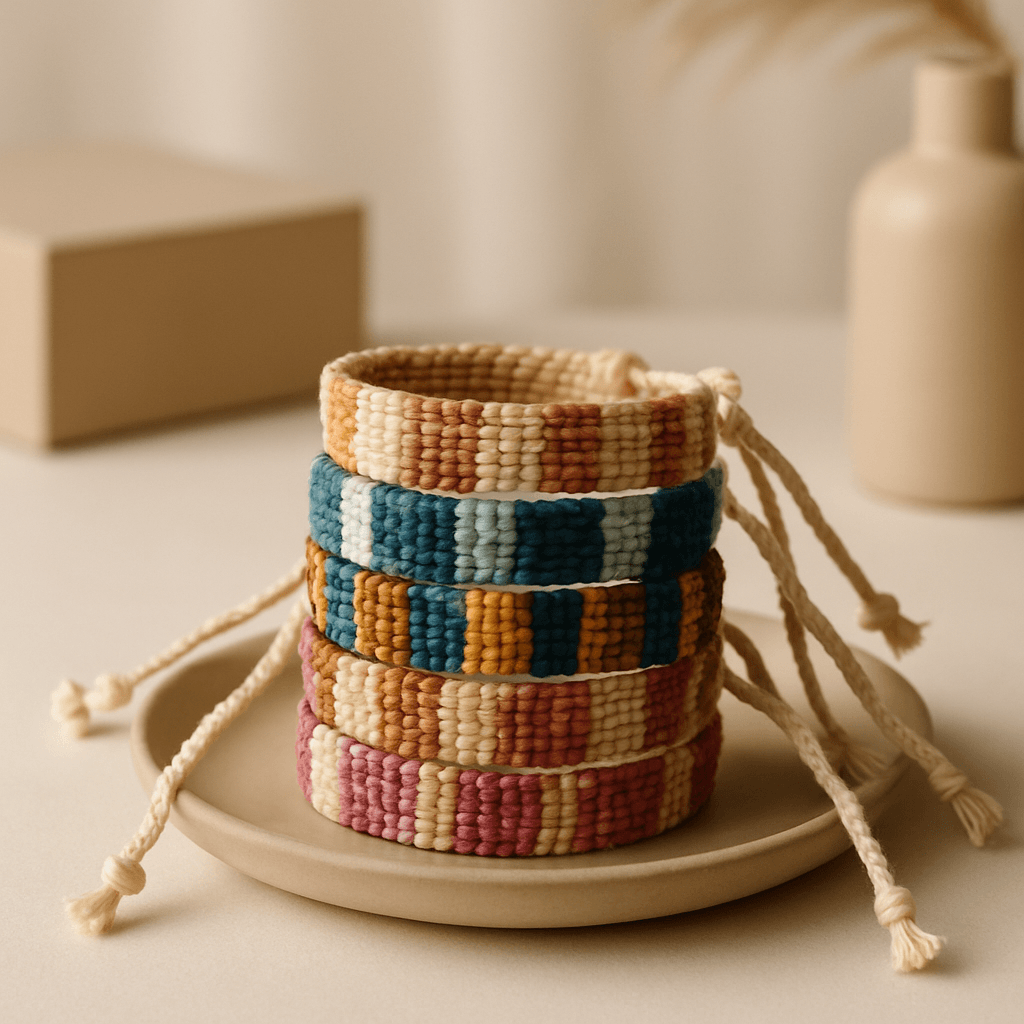
These bracelets, often crafted by artisans in regions such as Thailand, showcase vibrant rainbow designs and intricate weaving techniques. Their appeal spans gender and age demographics, making them ideal friendship bracelets for diverse markets. With the option to purchase in bulk, businesses can benefit from factory-direct pricing while supporting fair-trade initiatives that empower global artisans.
Craftsmanship and Insights from Experts
What sets handwoven cotton bracelets apart is the craftsmanship behind each piece. “Artisans take pride in weaving each bracelet by hand, ensuring no two pieces are exactly alike,” says Dr. Maria Lopez, an expert in sustainable textile manufacturing. “This uniqueness adds emotional value to each purchase, especially for retail buyers catering to conscious consumers.”
Industry data from Grand View Research indicates that the demand for fair-trade certified products is growing at a CAGR of 9.5%. Retailers sourcing bracelets in bulk can leverage this demand by promoting the ethical and handmade qualities of these accessories. For example, bracelets made under fair trade practices ensure workers receive equitable wages and safe working conditions, resonating with socially responsible buyers.
Key statistics further emphasize the market potential:
- Over 60% of consumers are willing to pay more for products with fair trade certifications (McKinsey, 2024).
- Handmade cotton accessories saw a 15% increase in online searches between 2022 and 2023 (Google Trends).
Fair Trade Standards and Best Practices
Compliance with recognized standards like Fair Trade USA and the World Fair Trade Organization (WFTO) is crucial for bulk buyers and distributors. These certifications guarantee ethical sourcing, environmental sustainability, and high-quality production processes.
Moreover, businesses should prioritize suppliers that adhere to Good Manufacturing Practices (GMP) and ISO 22716 standards. For instance, 7STAR’s bracelets are produced in facilities certified by both GMP and the WFTO, ensuring quality consistency and ethical practices. This commitment to transparency builds trust among wholesale buyers and end consumers alike.
Implementation Strategies for Retail Success
To maximize sales, retailers should focus on strategic merchandising and marketing. Highlighting the handmade and fair-trade aspects of cotton bracelets can attract socially conscious shoppers. Creative packaging, such as eco-friendly materials, can further enhance the appeal.
Consider these success metrics:
- Average retail margins for handmade accessories range between 30-50%, depending on design complexity.
- Stores that promote fair-trade products see a 25% higher customer retention rate (Nielsen, 2023).
Partnering with experienced manufacturers like 7STAR, offering 5000+ proven formulations and low MOQs, ensures both quality and cost efficiency. Retailers can leverage factory-direct pricing to maintain healthy profit margins while supporting sustainable practices.
Future Outlook and Recommendations
The handmade cotton bracelet market shows no signs of slowing down. Projections from Euromonitor suggest a 12% growth in global demand for artisan accessories by 2026, fueled by rising consumer interest in ethical and environmental causes.
To stay ahead, businesses should diversify their product offerings with colorful, customizable designs and explore partnerships with brands like 7STAR. By aligning with fair-trade principles and leveraging market data, retailers can build long-term success while contributing to global sustainability.
Frequently Asked Questions
How to price handmade bracelets?
Pricing handmade bracelets depends on several factors, including material costs, labor, and market demand. Start by calculating production costs, including cotton, weaving supplies, and fair-trade certifications. Add a markup based on your target audience’s willingness to pay. According to industry data, handmade products typically have a retail markup of 30-50%. For bulk buyers, consider offering tiered pricing based on order size to incentivize larger purchases.
What is the two-finger rule for bracelets?
The two-finger rule ensures a comfortable fit for bracelets. To apply this rule, wear the bracelet and check that two fingers fit snugly between your wrist and the band. For handwoven cotton bracelets, this rule is particularly useful due to their adjustable nature. Retailers can educate customers on this fitting technique to reduce returns and enhance buyer satisfaction.
Do handmade bracelets sell?
Yes, handmade bracelets are highly popular, especially among consumers seeking unique, ethical accessories. A study by Etsy revealed that searches for “handmade jewelry” increased by 20% year-over-year. Retailers who emphasize the fair-trade and artisan-crafted aspects of these bracelets can tap into this growing demand. Partnering with manufacturers like 7STAR ensures access to high-quality products that resonate with buyers.
Is it cheaper to DIY a bracelet?
While DIY bracelets can save money, it often depends on the scale of production and materials used. Bulk buyers working with experienced manufacturers can achieve lower costs per unit due to economies of scale. For example, purchasing handwoven cotton bracelets wholesale reduces overhead compared to sourcing individual materials and labor. Retailers can pass these savings on to consumers while maintaining profitability.
How do I find wholesale bracelets in bulk?
Finding wholesale bracelets requires researching manufacturers with proven credentials. Platforms like 7STAR offer factory-direct pricing with low MOQs, ideal for bulk buyers. Look for suppliers adhering to fair-trade and GMP standards to ensure ethical sourcing and consistent quality. Attending trade shows or exploring online B2B marketplaces can also connect businesses with reliable wholesalers.
What makes fair-trade bracelets unique?
Fair-trade bracelets stand out due to their ethical production process. Artisans receive equitable wages and work in safe conditions, ensuring social responsibility. These bracelets often feature unique designs, such as rainbow patterns, crafted with sustainable materials like cotton. Businesses promoting fair-trade products can appeal to conscious consumers while contributing to global artisan empowerment.