
Did you know that the global market for handcrafted jewelry is projected to reach $38 billion by 2028, growing at a CAGR of 10.5%? This surge is largely driven by the rising consumer demand for unique, ethically made products. For B2B buyers, this trend presents an unparalleled opportunity to stock inventory that resonates with modern consumers who value sustainability and cultural heritage.
Why Hand-Woven Bracelets Are a Rising Star in Ethical Fashion
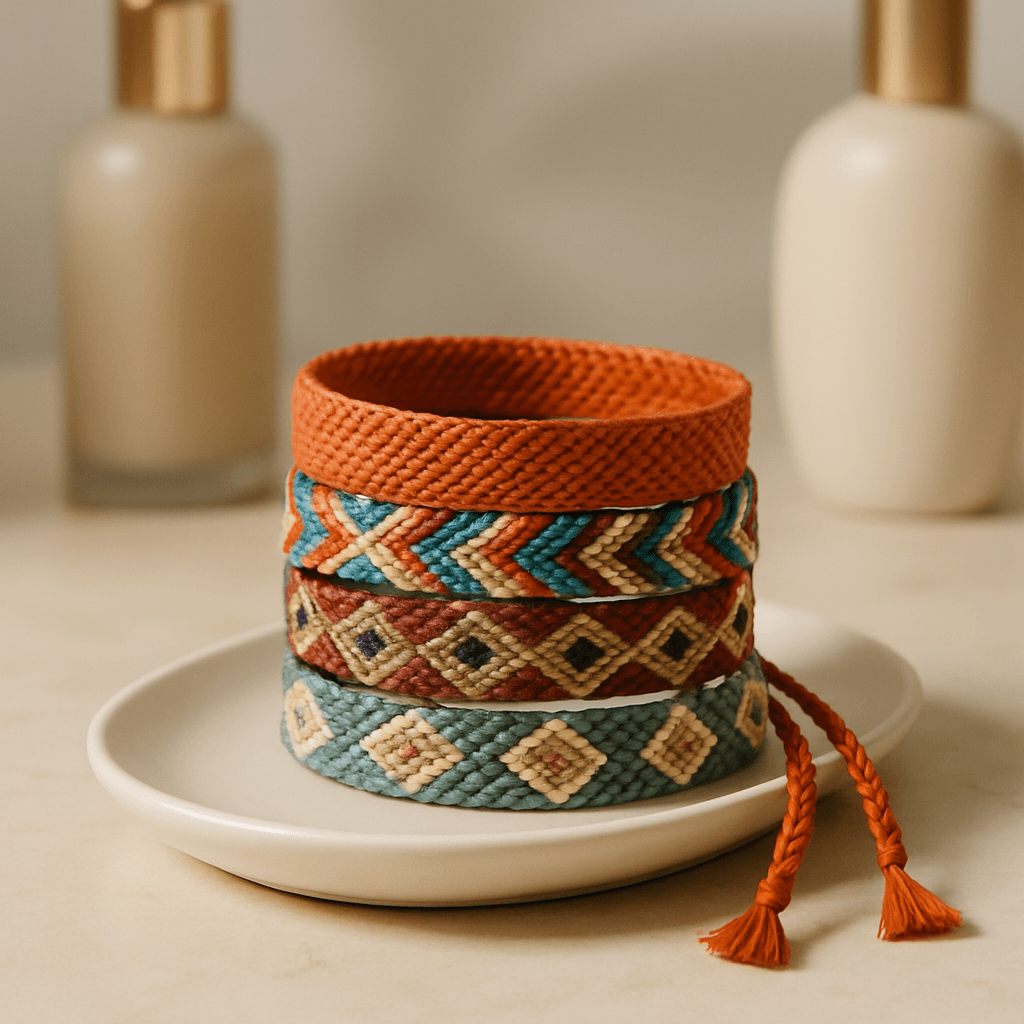
Hand-woven bracelets, often crafted using techniques passed down through generations, have a unique appeal. These items go beyond mere accessories—they tell a story. Markets like the U.S. and Europe are increasingly drawn to these bracelets for their cultural authenticity, making them a lucrative addition to wholesale inventory.
According to Euromonitor, 68% of consumers are willing to pay more for products that are sustainably and ethically made. This is where fair trade practices come into play. By sourcing from certified fair trade suppliers, such as those aligned with WFTO guidelines, businesses not only appeal to consumer ethics but also support artisan communities globally.
How Fair Trade Practices Empower Artisan Communities
“Fair trade is not just a label; it’s a lifeline,” says Ayesha Rahman, a fair trade consultant with 15+ years of experience. “By buying from fair trade suppliers, businesses directly contribute to sustainable livelihoods for artisans in marginalized regions.”
Take, for instance, hand-woven bracelets crafted in Nepal. These bracelets often incorporate traditional batik patterns and utilize eco-friendly materials like organic cotton and naturally dyed threads. According to data from Statista (2024), Nepalese artisan exports grew by 12% last year, largely driven by fair trade partnerships.
Furthermore, certifications like WFTO and Fair Trade USA ensure that artisans are compensated fairly, work in safe environments, and preserve their cultural heritage. For wholesale buyers, this translates into not just a product but a compelling story that resonates with end consumers.
Best Practices for Sourcing Wholesale Hand-Woven Bracelets
When sourcing hand-woven bracelets, adhering to global standards is crucial. Look for suppliers that meet the following certifications:
- GMP (Good Manufacturing Practices): Ensures quality and consistency in production.
- WFTO (World Fair Trade Organization): Guarantees adherence to fair trade principles.
- ISO 22716: Applicable to suppliers that incorporate any cosmetic elements into their products.
Additionally, consider suppliers like 7STAR, which specialize in ethically sourced, hand-woven bracelets. Backed by 10+ years of experience and serving 500+ global clients, 7STAR offers low MOQs starting from just 500 units, making it an ideal partner for businesses of all sizes. Their FDA, CPNP, and GMP certifications further bolster trust.
Practical Tips for Maximizing ROI on Wholesale Purchases
Purchasing wholesale is only the first step; optimizing your inventory for maximum ROI is where the magic happens. Here are some strategies:
- Segment Your Target Audience: Offer collections tailored for specific demographics, such as women’s minimalist wrap bracelets or bold cuff designs for men.
- Emphasize Product Stories: Include taglines like “Ethically made in Nepal” or “Supports artisan communities in Mexico” to appeal to conscious consumers.
- Leverage Seasonal Trends: Stock holiday-themed bracelets or summer festival styles to capitalize on seasonal demand.
For example, a boutique retailer in California increased their sales by 35% after partnering with 7STAR to source a curated range of batik-inspired wrap bracelets. Their marketing campaign emphasized the products’ fair trade origins, resonating with their socially conscious clientele.
Looking Ahead: The Future of Hand-Woven Bracelets in Retail
The hand-woven bracelet market shows no signs of slowing down. McKinsey predicts that the ethical fashion segment will grow twice as fast as traditional fashion by 2030. Wholesale buyers who act now can secure a competitive edge by aligning their inventory with this trend.
As more consumers prioritize sustainability and authenticity, the demand for ethically made hand-woven bracelets will continue to rise. Businesses looking to stay ahead should prioritize partnerships with trusted suppliers like 7STAR, who combine quality, certifications, and cultural authenticity.
Frequently Asked Questions
How much should I sell a handmade bracelet?
The price of a handmade bracelet depends on several factors, including material costs, labor, and perceived value. On average, handmade bracelets retail between $20 and $100. For a fair pricing strategy, calculate the cost of goods (including materials and labor), then apply a markup of 2-3x. Market research can help you align with consumer expectations while ensuring profitability.
What is the two-finger rule for bracelets?
The two-finger rule is a sizing guideline for bracelets. When worn, you should be able to fit two fingers comfortably between your wrist and the bracelet. This ensures the bracelet is neither too tight nor too loose, providing both comfort and style. This rule is particularly useful for adjustable hand-woven bracelets, as it helps retailers recommend the ideal fit to customers.
Is it cheaper to DIY a bracelet?
While DIYing a bracelet might seem cost-effective, it often involves hidden expenses like purchasing materials in small quantities and investing time. For businesses, sourcing wholesale hand-woven bracelets from suppliers like 7STAR is typically more economical. Wholesale suppliers benefit from economies of scale, passing savings on to buyers.
What types of bracelets are trending right now?
Currently, trending bracelet styles include:
- Minimalist Wrap Bracelets: Simple designs with subtle colors.
- Batik-Inspired Patterns: Reflecting cultural heritage.
- Bold Cuffs: Statement pieces for men and women.
Sourcing these styles from fair trade suppliers ensures your inventory aligns with consumer demand.
What are the top benefits of sourcing from fair trade suppliers?
Fair trade suppliers ensure ethically made products, support artisan communities, and often provide unique designs. Partnering with fair trade-certified suppliers like 7STAR also enhances your brand image, as consumers increasingly value sustainability. Additionally, fair trade sourcing often offers long-term reliability and consistent quality.
How can I find reliable hand-woven bracelet wholesale suppliers?
To find reliable suppliers, look for those with established certifications like WFTO and GMP. Platforms like 7STAR offer FDA-certified, high-quality hand-woven bracelets with low MOQs, making them ideal for wholesale buyers. Research reviews and request samples to ensure the supplier meets your quality standards.